
Author: Juan Carlos Sosa Azpúrua
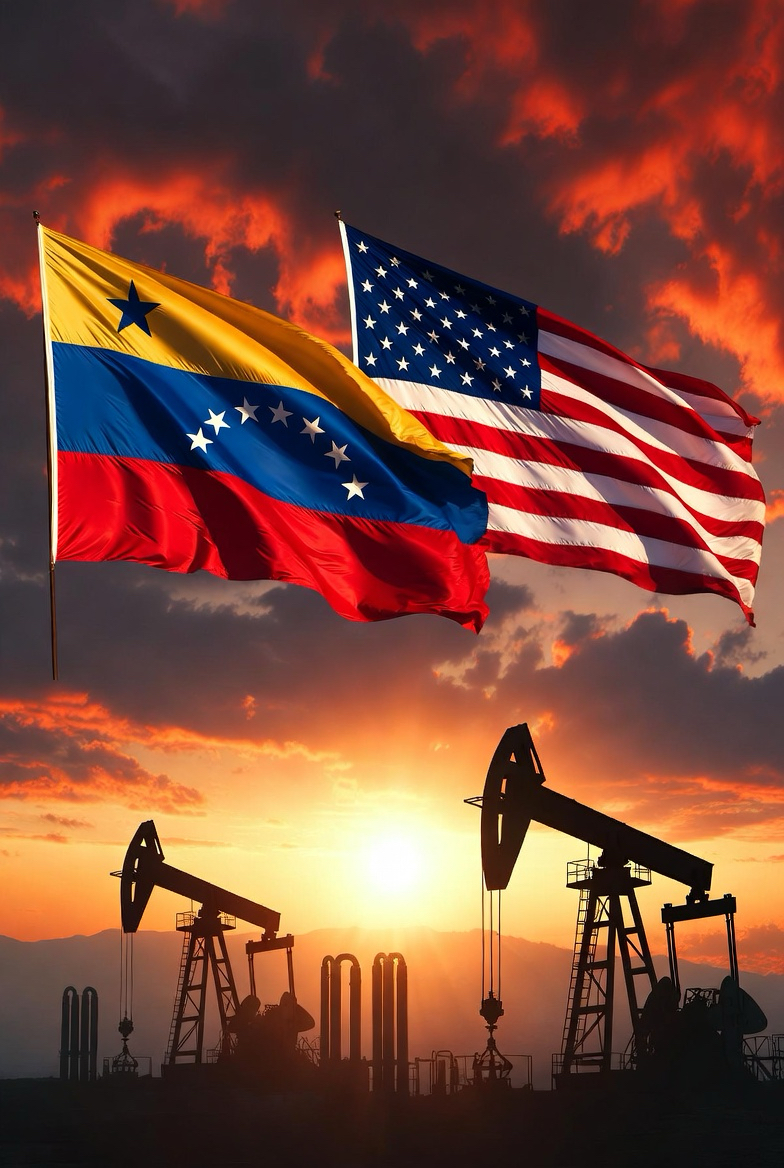
The reform of Venezuela’s Organic Law of Hydrocarbons, definitively approved yesterday by the National Assembly, represents an important step toward unlocking the billions of dollars in investment that could begin to materialize in the near term. For the first time in decades, the legal framework explicitly allows private companies to fully manage the oil business—from exploration and production to commercialization and final sales.
This shift is not cosmetic. The reform substantially reduces the tax burden on remaining levies and eliminates a maze of redundant and irrational taxes that had been suffocating the sector. While royalty levels remain excessive by international standards, the new framework at least allows for broad negotiation margins, making it possible to structure royalties in a way that minimizes disruption and restores project viability.
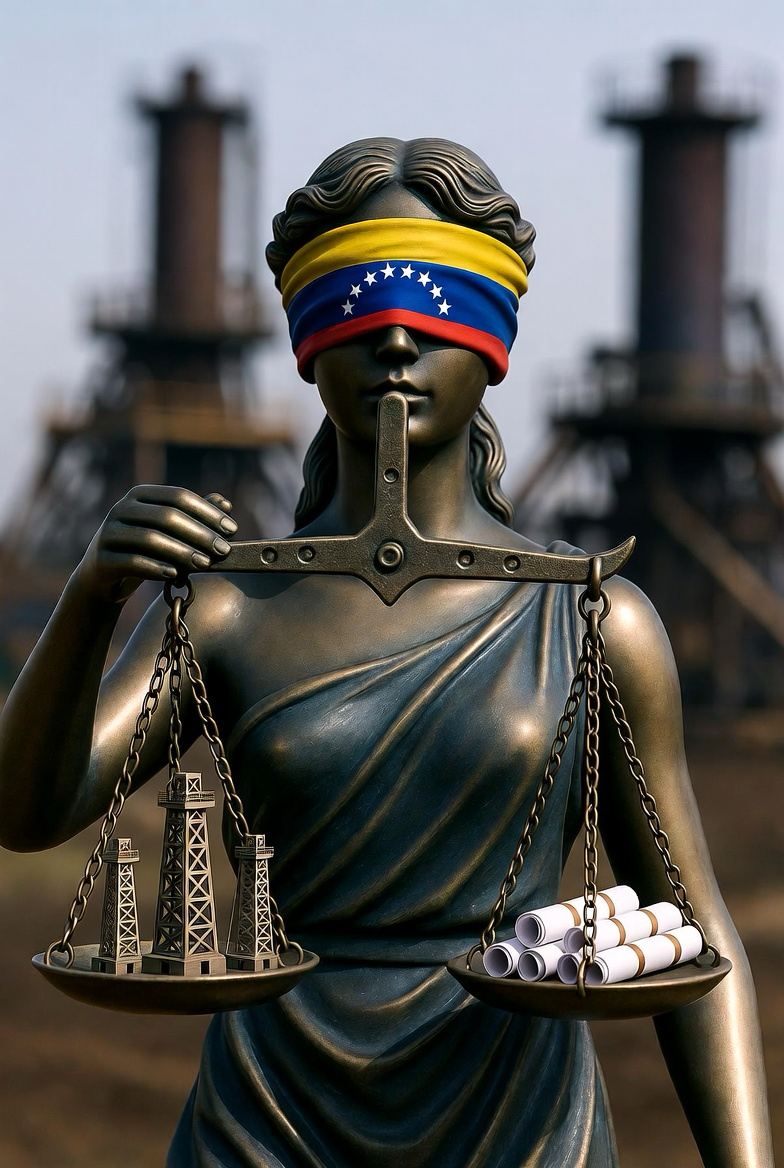
Equally important is the inclusion of modern dispute-resolution mechanisms. These provisions enable faster and more effective solutions to conflicts that may arise during project execution—an indispensable element for any serious investor. When combined with U.S. government financial oversight and the implicit guarantee of enforcement, including the potential application of force if required, the psychological climate of fear that has paralyzed investment begins to dissipate. The outlook, while still imperfect, is undeniably more promising.
That said, this reform falls short of a true paradigm shift. Ideally, Venezuela would fully embrace the understanding that productive activity is more efficient and profitable when state interference is reduced to the bare minimum. Under the current reform, discretionary state power remains intact, and several constitutional issues persist. These inconsistencies must be addressed to prevent legal collisions between constitutional provisions and the new statutory framework.
In short, there is still much work to be done, and the current scenario is far from ideal. But meaningful change rarely begins in perfect conditions. Once investments start flowing and their impact becomes tangible in the daily lives of Venezuelans, it will be both more feasible and more timely to demand deeper, structural reforms.
That said, one reform should not wait: the Constitution itself. Provisions related to hydrocarbons must be removed from the constitutional text altogether. Oil policy is a legal and regulatory matter, not a constitutional one. Keeping it enshrined in the Constitution is not only a legal error; it creates contradictions that raise uncomfortable questions, foster opacity, and generate confusion. The result is legal uncertainty—precisely the condition that frightens investors and imposes unnecessary constraints on productive activity.
A new horizon of hope is opening for Venezuela. If pragmatism prevails, the country may soon begin to feel the first rays of light after a long and costly darkness.





Deja un comentario