

By Juan Carlos Sosa Azpúrua
For decades, Venezuela was one of the pillars of the global energy system. Today, after years of production collapse, sanctions, institutional deterioration and massive disinvestment, the country finds itself—paradoxically—at an exceptional window of opportunity to attract large-scale oil and gas capital. Not because its problems have disappeared, but because the current global context and economic incentives make waiting for “ideal conditions” a strategic mistake.
The world needs oil and gas, and it will continue to do so for many years. While the energy transition advances unevenly and at high cost, the reality is that global hydrocarbon demand is not vanishing anytime soon. In that environment, few jurisdictions combine gigantic reserves, competitive marginal costs, and deeply underutilized assets the way Venezuela does.
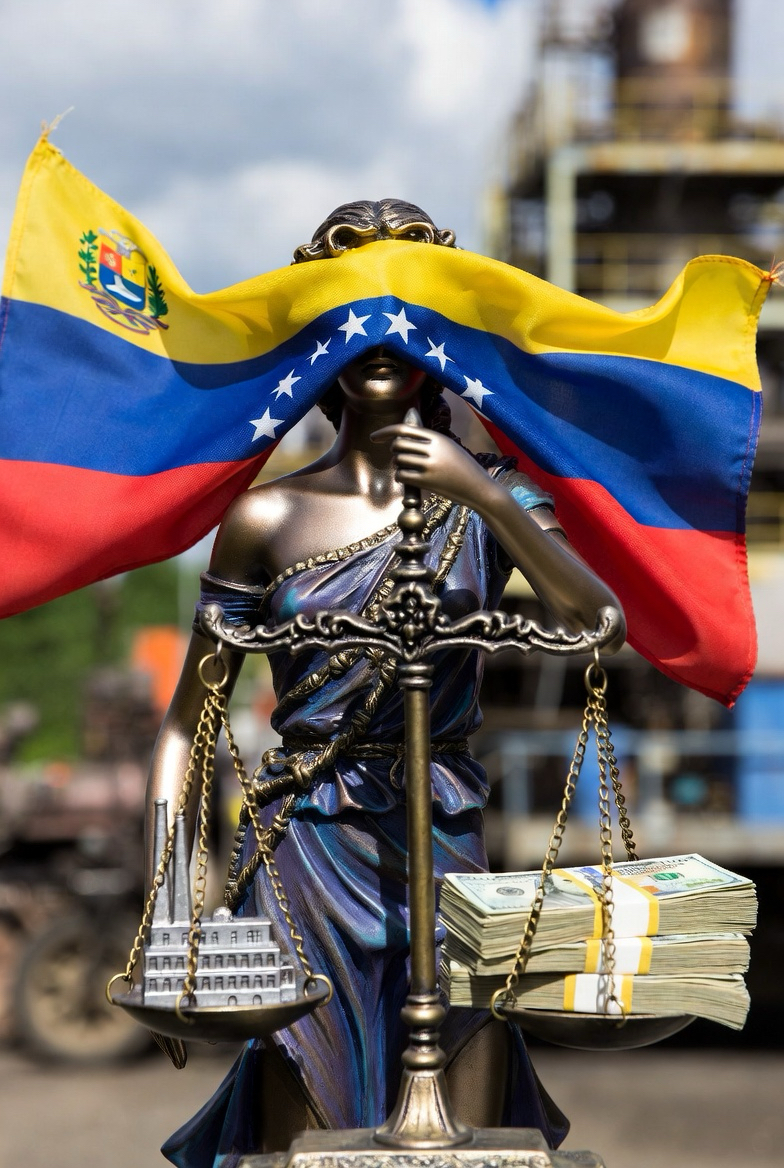
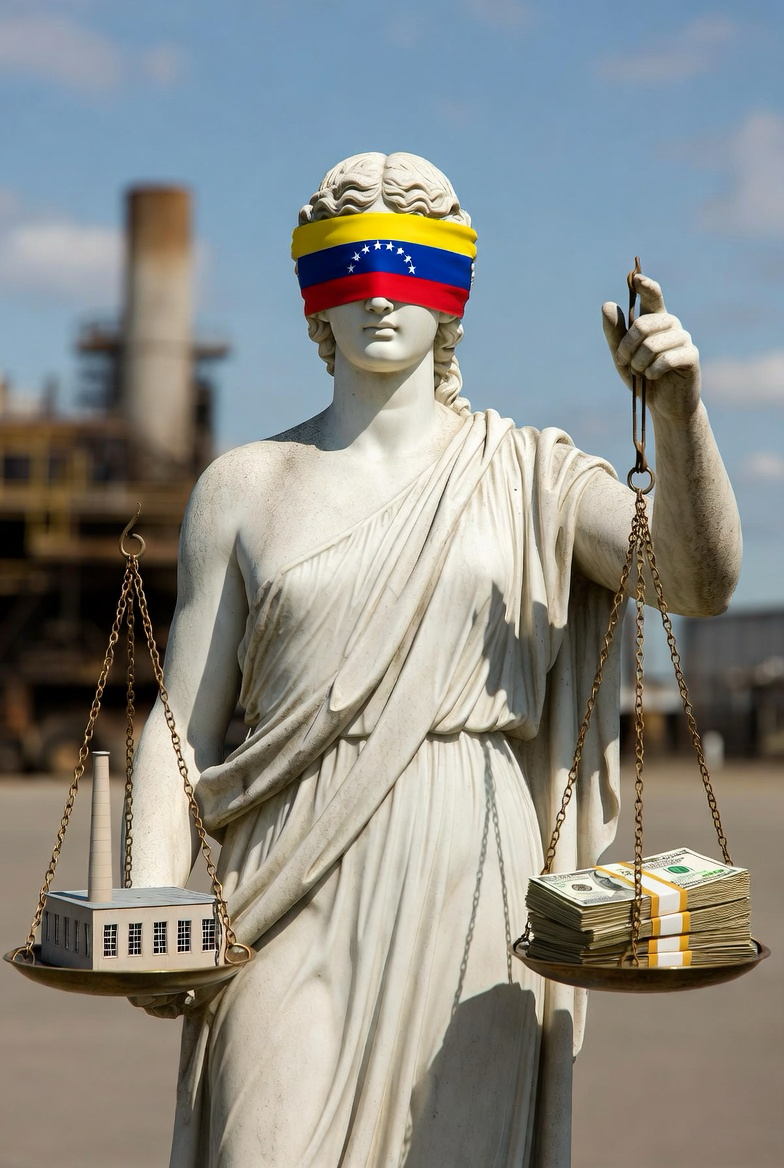
The key question is not whether Venezuela is a “perfect” country in which to invest. It is not. The real question is whether it is necessary to wait for a consolidated democracy, or a flawless institutional framework, before meaningful oil and gas investment can occur. History shows the answer is no.
Energy Investment Has Never Waited for Institutional Perfection
The largest energy bets of the past half-century were rarely made in countries with exemplary institutions. On the contrary, many of the most profitable investments took place in environments marked by political risk, legal uncertainty, or even armed conflict.
After the 2003 invasion, major oil companies returned to Iraq while the country was still facing insurgency, political fragmentation, and endemic corruption. In Africa, billions of dollars were committed to natural gas projects in Mozambique amid an Islamist insurgency. In Libya, international companies resumed operations despite a divided state and territories controlled by militias.
Even in the post-Soviet space—Azerbaijan, Kazakhstan, Russia—massive investments arrived before solid judicial systems or fully predictable rules were in place. The decisive factor was not institutional quality per se, but the quality of the contracts protecting investors.
Venezuela is not a historical anomaly. It is, rather, an extreme case of a well-known pattern in the energy industry: where the resource is large enough, capital ultimately arrives—provided it can be protected.
The 2007 Experience: A Contractual Lesson, Not an Eternal Sentence
A turning point that still casts a long shadow over any discussion of investment in Venezuela is what occurred in 2007. That year, under the regimen of Hugo Chávez, the Venezuelan state forced a unilateral revision of oil contracts, requiring all foreign partnerships to migrate into mixed companies in which the state-owned oil company PDVSA held at least a 60% stake. Companies that refused—most notably ExxonMobil and ConocoPhillips—were stripped of their assets.
The result was years of international arbitration, with tribunals ordering Venezuela to pay billions of dollars in compensation for what were deemed unlawful expropriations. That episode delivered two painful lessons to global capital:
- Sovereignty over natural resources can be abruptly reinterpreted if contracts lack real protective barriers.
- Without effective enforcement mechanisms, agreements can degenerate into long, costly disputes with uncertain outcomes.
No serious investor today forgets 2007. But neither are investors condemned to repeat it—if contracts are designed from the outset with strong, enforceable safeguards.
The Chorus of Exiled “Experts” and the Mirage of Total Perfection
Against this backdrop, the role of certain Venezuelan “experts” operating from abroad is striking. From comfortable foreign platforms, they constantly raise alarm bells, insisting that no investment should occur until Venezuela meets an idealized checklist of political and institutional conditions.
The argument is ritualistic: without full democracy, textbook separation of powers, and legal certainty comparable to Switzerland, any investment would be irresponsible or illegitimate.
What is rarely acknowledged is that no major oil-producing country is held to that standard. The global history of energy investment is full of successful projects undertaken well before democratic consolidation or institutional maturity.
More troubling is that, in many cases, these positions are not neutral. Behind the maximalist rhetoric often lie unspoken agendas: personal power ambitions, the preservation of political relevance, or aspirations to future authority that thrive on paralysis rather than reconstruction.
The “all-or-nothing” narrative is not only economically misguided; it benefits those who live off stagnation, not those committed to rebuilding.
Why This Moment Is Different—and the Role of the United States
Several factors now converge to make Venezuela meaningfully different from five or ten years ago. Oil infrastructure is severely degraded, lowering entry valuations and magnifying upside potential. The international environment has evolved, allowing for licensing regimes, financial supervision, and traceable cash-flow structures.
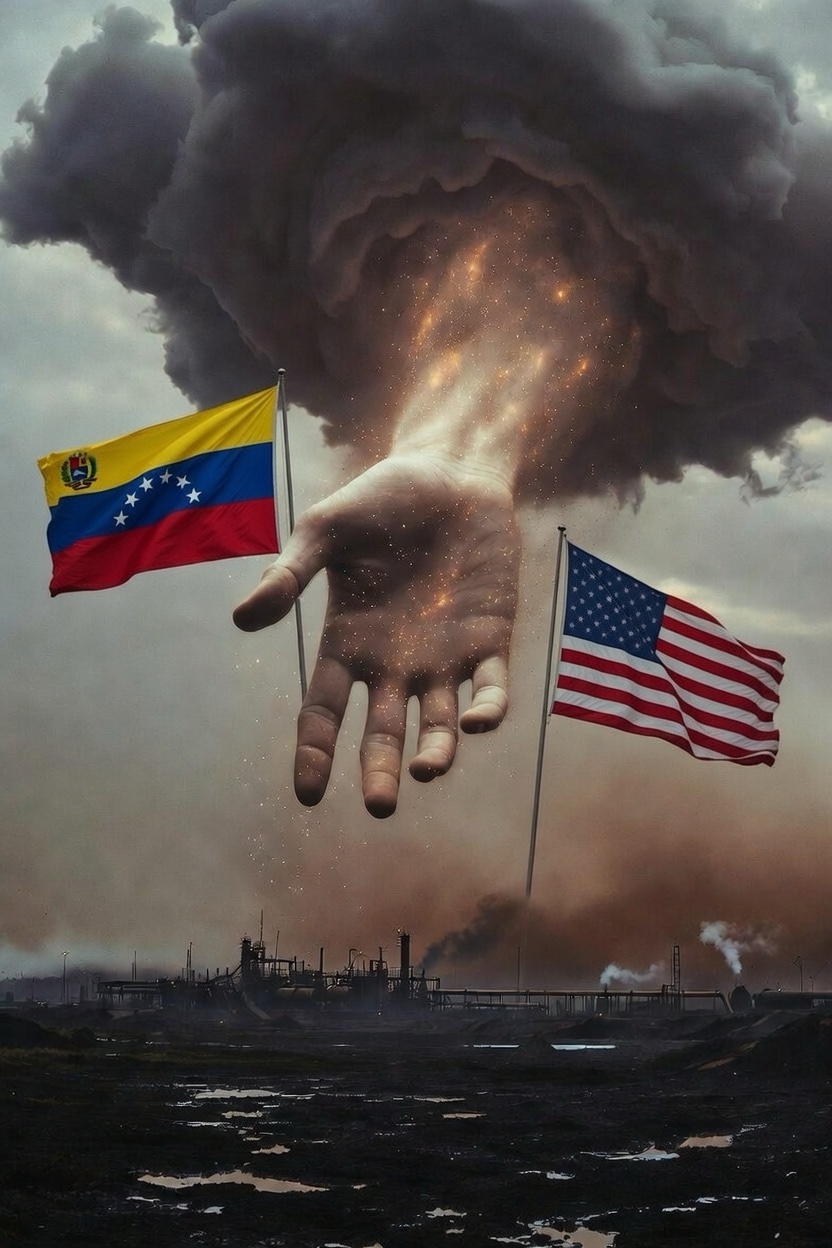
Most importantly, the United States government has begun taking concrete steps to protect companies operating in Venezuela and to reduce the very risks that once drove capital away.
In February 2026, the U.S. Treasury Department, through the Office of Foreign Assets Control (OFAC), issued general licenses allowing large, medium and small oil corporations (as well as related companies) venture into Venezuela; and others, such as Chevron, Eni, Shell, BP and Repsol, improve their current investments, and renegotiate oil and gas contracts. This represents the most significant sanctions flexibility in decades, explicitly designed to provide certainty and protection to firms willing to commit capital.
Crucially, royalty and tax payments under these licenses are routed through U.S.-supervised financial mechanisms, introducing an additional layer of protection over project cash flows. This framework materially reduces the risk of unilateral contractual reversals—the very risk that harmed Exxon and ConocoPhillips in 2007.
Contractual Engineering: How to Prevent a Repeat of 2007
With the lessons of the past and new international oversight, it is now possible to structure contracts that make a repeat of 2007 highly unlikely.
Key protective mechanisms include:
- Automatic economic stabilization clauses, ensuring contractual rebalancing if fiscal or regulatory rules change.
- Neutral governing law and international arbitration, under ICC or LCIA rules, with enforceable awards.
- Explicit waivers of sovereign immunity for enforcement, not merely jurisdiction.
- Escrow accounts and ring-fencing structures to isolate project revenues from political discretion.
- Take-or-pay offtake agreements, guaranteeing minimum cash flows.
- Step-in rights for lenders, allowing operational intervention in cases of default.
These are not experimental ideas. They are standard tools used in high-risk jurisdictions from Iraq to West Africa. Applied properly, they transform political risk into manageable, priced risk.
Beyond Upstream: Rebuilding the Energy Value Chain
The Venezuelan opportunity extends well beyond extraction. Oil services, logistics, storage, refining, natural gas, and petrochemicals all stand to benefit from renewed investment. Each dollar invested in energy generates a multiplier effect across employment, infrastructure, and technology.
Investing in Venezuelan oil and gas is not an ideological act. It is a rational economic decision with broad social impact.
Conclusion: Risk Is Not Destiny—and Timing Defines the Future
Venezuela is not a country for timid capital. But neither was Iraq, Kazakhstan, or Angola when they became major energy hubs. Waiting for perfection is not prudence—it is forfeiture.
History shows that the greatest opportunities appear when consensus hesitates. Investors who understand the moment, structure risk intelligently, and leverage the international protections now in place can participate in one of the most consequential energy recoveries of the coming decades.
The future is not built by waiting for ideal conditions. It is built through disciplined investment, sound contracts, and the willingness to act while others delay.



Deja un comentario