

Energy history rarely moves in gradual steps. Major transformations in the global energy system often emerge from geopolitical shocks that suddenly reshape market equilibrium.
The oil crises of the 1970s remain the classic example. The 1973 Arab oil embargo and the 1979 Iranian Revolution did far more than push oil prices dramatically higher. They redrew the global energy map for decades.
It was precisely that high-price environment that allowed the development of new petroleum provinces previously considered too costly or technologically complex to exploit.
The North Sea, Alaska and the Gulf of Mexico emerged as major pillars of global oil supply during that era.
Today, the world may be approaching a similar turning point.
At the center of current geopolitical tensions stands Iran. Since the 1979 revolution, the Islamic Republic has developed a regional strategy based on indirect power projection through ideological alliances, militia networks and the operational reach of the Revolutionary Guard.
This system has allowed Tehran to exert influence across multiple Middle Eastern theaters without necessarily engaging in direct military confrontation with stronger powers. Yet it has also contributed to a prolonged architecture of indirect conflict across Lebanon, Syria, Iraq and Yemen.
The Iranian issue, however, is not purely geopolitical.
It is also deeply human.
Iran is a country of more than ninety million people, an educated society with a rich intellectual and cultural tradition. Yet its political system has imposed significant constraints on civil liberties and particularly on women’s rights for decades.
A transformation of Iran’s political system could therefore have historic implications—not only for regional stability but also for the expansion of freedom for millions of Iranian citizens.
From an energy perspective, tensions surrounding Iran have another critical consequence.
Roughly one-fifth of the world’s oil consumption passes through the Strait of Hormuz, the narrow maritime corridor separating Iran from the Arabian Peninsula.
This makes Hormuz the most important energy chokepoint on Earth.
Even the possibility of disruption introduces a geopolitical risk premium into global oil prices.
Historically, such risk premiums have triggered new investment cycles across the energy sector.
When oil prices rise significantly, petroleum provinces once considered marginal become economically viable. The development of the North Sea after the 1979 oil shock was precisely the result of that dynamic.
Today, a similar process appears to be unfolding across the Atlantic energy system.
Brazil’s pre-salt fields represent one of the most remarkable technological achievements in modern petroleum engineering. Some wells produce more than 30,000 barrels per day with highly competitive breakeven costs.
Guyana has experienced one of the most extraordinary exploration success stories of the 21st century. In less than a decade it has transformed from an energy frontier into a rapidly emerging oil producer expected to exceed one million barrels per day in the coming decade.
Canada has consolidated its oil sands as a stable supply source, proving that once-marginal technologies can become key pillars of global energy markets under favorable price conditions.
Yet none of these regions possesses a resource base comparable to that of Venezuela.
With approximately 303 billion barrels of proven reserves, Venezuela still holds the largest oil reserves on Earth. Most of these resources are located in the Orinoco Belt, one of the largest extra-heavy crude deposits ever discovered.
During the late twentieth century, Venezuela occupied a central position in the global oil system, producing more than three million barrels per day.
The collapse of its oil industry over the past two decades represents one of the most dramatic cases of institutional deterioration in modern energy history.
Yet the geology never disappeared.
The vast reserves of the Orinoco Belt remain in place.
In recent years Venezuela has begun taking important steps toward rebuilding its energy sector. Reforms to the hydrocarbons law aim to modernize the regulatory framework and encourage international investment.
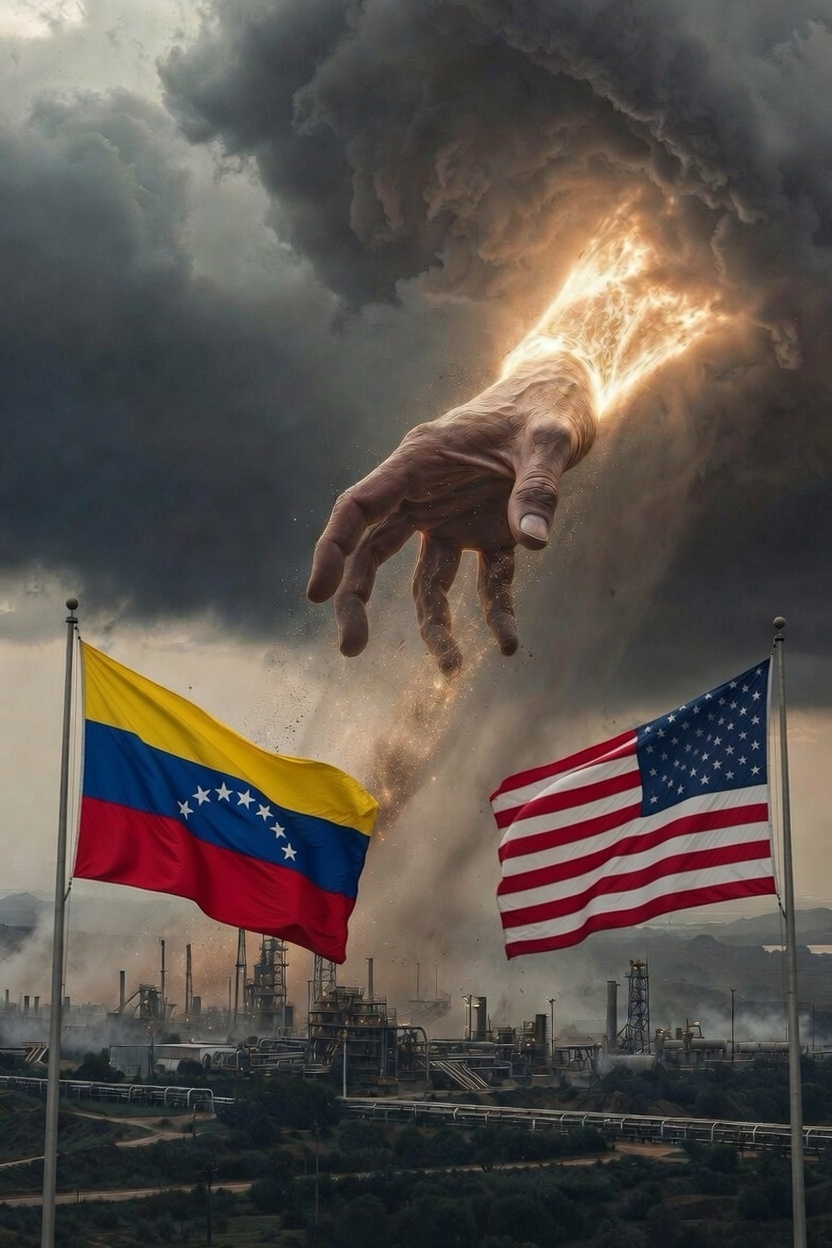
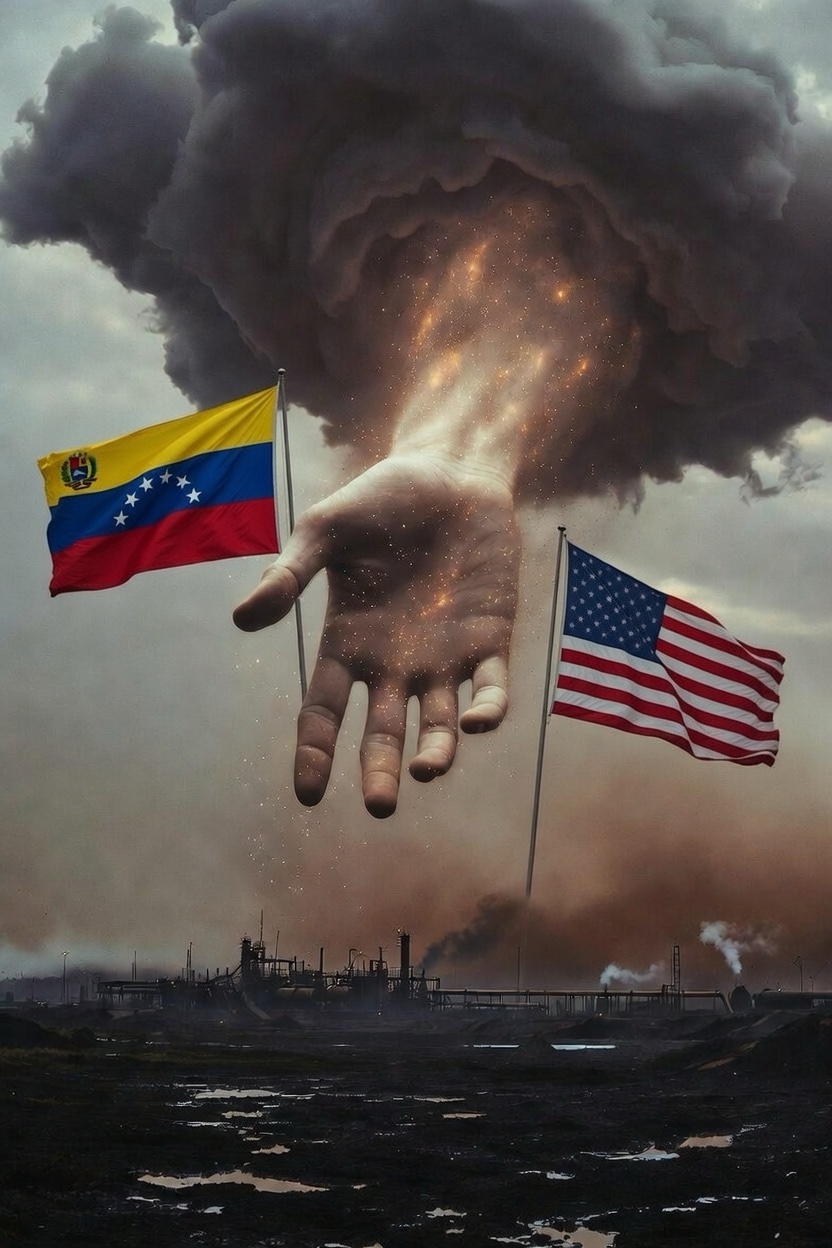
At the same time, the reopening of diplomatic and consular relations between Venezuela and the United States marks a new phase of potential energy cooperation.
Within this evolving framework, the administration of President Donald J. Trump has played a significant role in encouraging the reintegration of Venezuela into global energy markets.
This development coincides with a broader strategic shift.
As geopolitical uncertainty persists in the Middle East, consuming nations increasingly seek to diversify their sources of supply.
That trend naturally strengthens the Atlantic Basin energy corridor, stretching from Canada and the United States to Brazil, Guyana and northern South America.
Brazil and Guyana are already benefiting from this transformation.
But Venezuela remains the sleeping giant of this energy system. What this country needs today is not to discover oil. It is to rebuild the institutional trust necessary for its development. And institutions, unlike geology, can change, and they already are, thanks to the agenda implemented by President Trump and his Secretary of State, Marco Rubio.
If Venezuela manages to consolidate some trust, attract international capital, and modernize its energy industry, it could once again occupy a central place within the global energy system.
History rarely repeats itself exactly.
But its echoes are unmistakable.
The oil shock of 1979 helped create the North Sea industry.
The geopolitical tensions of the 21st century may help create something equally significant: an Atlantic energy renaissance.
And if Venezuela reclaims its place within that system, the country will not simply be rebuilding its oil industry.
It will be returning to the center of the global energy map.




Deja un comentario