
By Juan Carlos Sosa Azpúrua
When international oil companies first entered Venezuela in 1922, they did so in the absence of institutions. There was no consolidated legal framework, no independent judiciary, and no reliable forum for dispute resolution. Contractual compliance depended largely on force, political leverage, and an extraordinary tolerance for uncertainty.
That is not the environment investors face today. While Venezuela continues to present political and operational risk, those risks are now materially lower—and, critically, legally cognizable and enforceable.
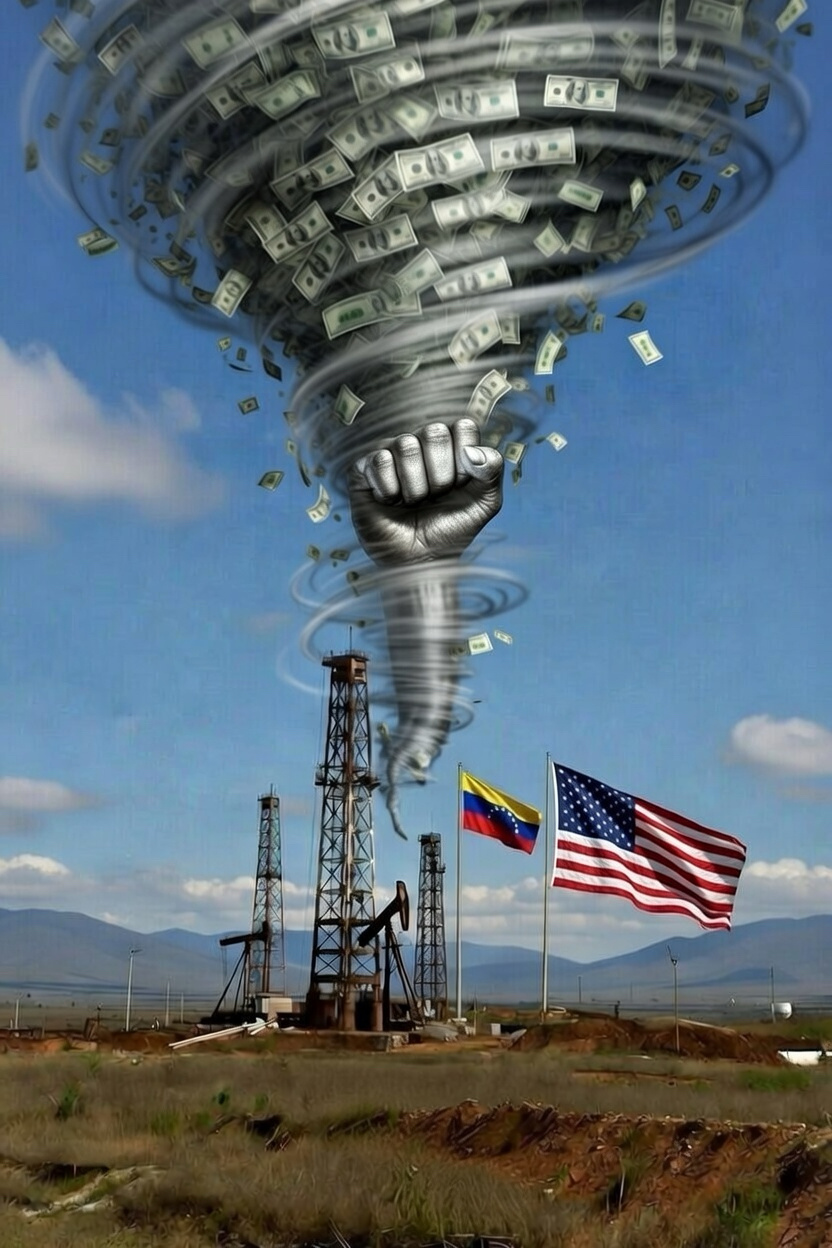
The current enforcement landscape is anchored outside Venezuela. Compliance mechanisms are backed by the authority of the United States government, which provides external guarantees that did not exist a century ago. International arbitration forums—now a central feature of cross-border energy investment—offer neutral, predictable adjudication. Most importantly, Venezuela’s financial resources available to satisfy arbitration awards are presently administered under the control of the U.S. Treasury, materially altering counterparty risk.
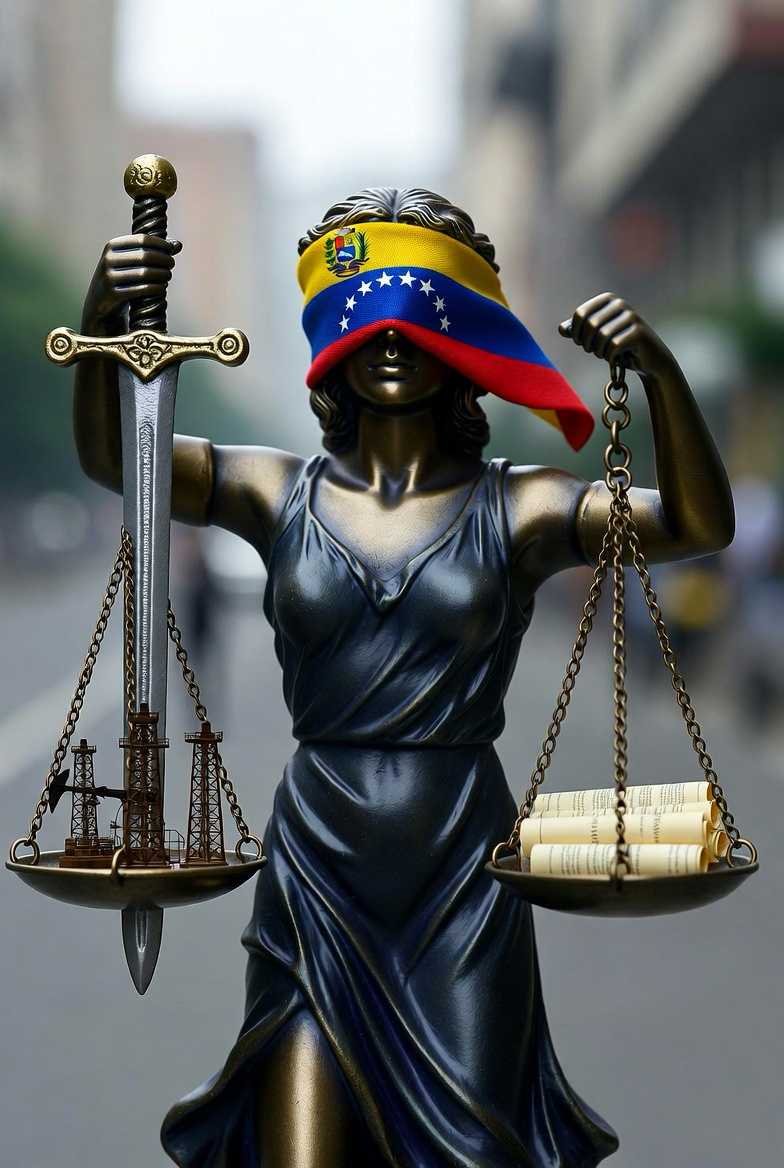
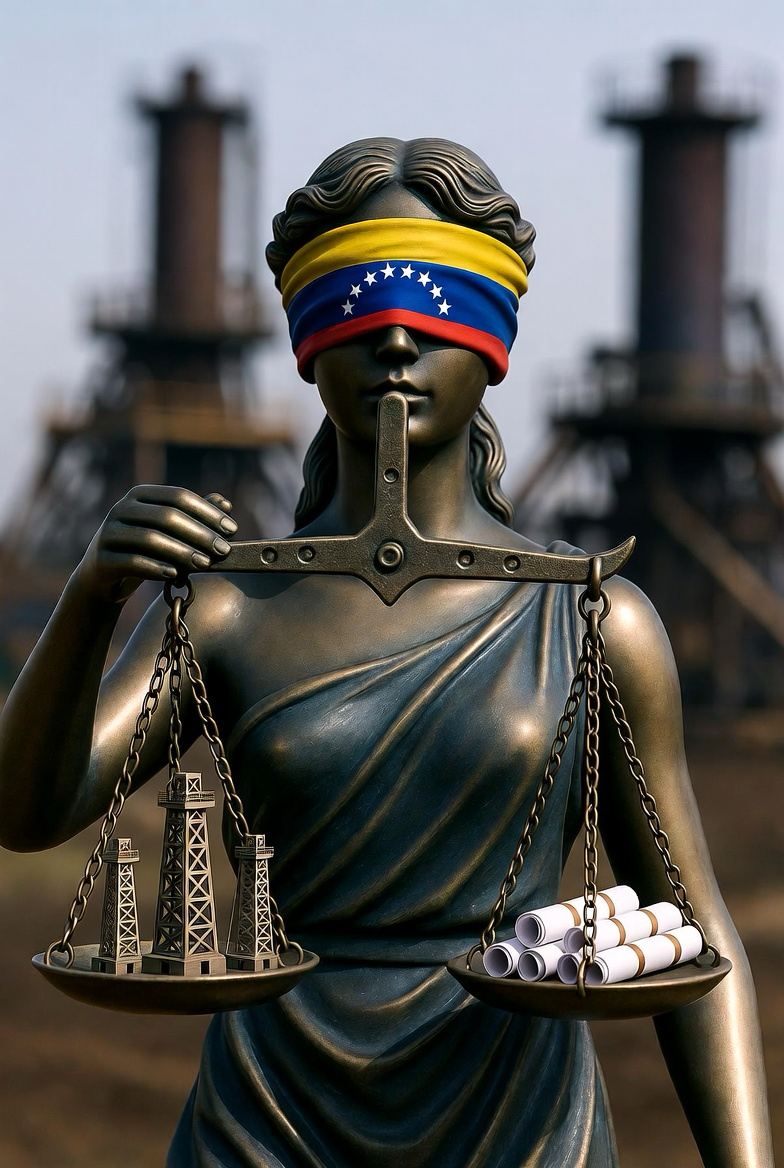
From a legal and investment perspective, this marks a decisive shift. Exposure is no longer primarily political; it is contractual. Risk has migrated from domestic institutional fragility to internationally recognized enforcement mechanisms. For boards, general counsel, and investment committees, this distinction is fundamental.
As capital begins to flow, a well-documented dynamic will follow. Investment acts as an accelerant for institutional consolidation. Governance improves, regulatory clarity increases, and compliance incentives harden. This is not conjecture—it is historical precedent. Following the exceptionally risky oil investments of 1922, Venezuela rapidly evolved into a modern nation, becoming one of the most open and opportunity-driven economies in the hemisphere.
What differs today is clarity and speed. The legal horizon is more transparent than at any point in Venezuela’s modern history, and the velocity of normalization—driven by global capital markets, technology, and regulatory convergence—will be exponentially faster.
The oil and gas industry has never been built by those waiting for perfect certainty. It rewards disciplined actors who understand risk, price it correctly, and act at inflection points. It is not an industry for the risk-averse, but for those capable of managing uncertainty through structure, law, and enforceability.
Those prepared to commit capital at this stage may capture one of the most consequential opportunities of recent decades—because, as Virgil observed: «fortune favors the bold».
Author’s Note / Legal Disclaimer
This article is provided for general informational purposes only and does not constitute legal advice. Investment decisions should be made based on specific facts, applicable law, and tailored legal and regulatory analysis. The views expressed are those of the author and do not necessarily reflect the views of any firm or client.





Replica a Venezuela: Investment Before Utopia:why Waiting for “Perfect Democracy” Is a Strategic Mistake for Global Energy Capital – Energizando Ideas Cancelar la respuesta