
Author: Juan Carlos Sosa Azpúrua
In recent weeks, the familiar voices of doom have resurfaced, insisting that Venezuela cannot attract investment unless it first becomes an ideal democracy, equipped with Swiss-level institutions and leadership aligned with their political preferences.
This argument is reinforced by exaggerations and distortions: claims of widespread violence despite an unprecedented level of day-to-day normalcy; dismissals of political prisoner releases that now exceed two hundred in less than a month; and assertions that criminal structures remain intact, when in reality they have been weakened, subordinated, and contained to prevent internal conflict and ensure a controlled transition.
The driving force behind this narrative is not concern for Venezuela’s future, but political resentment. A power project collapsed—one that lacked both effective control and the capacity to prevent civil unrest. Added to this is a deep hostility toward President Donald Trump, so intense that some would rather see Venezuela fail than acknowledge the success of his strategy toward the country.
What is rarely acknowledged is the role played by networks aligned with George Soros, whose ideological agenda—promoted under the banner of an “open society”—has fueled social unrest, identity politics, geopolitical conflicts, and economic sanctions. These sanctions severely constrained Venezuela’s economy and made daily life harder for millions of citizens.
Equally absent from the discussion is the personal gain derived by certain actors from opaque management of sovereign debt and bonds during the interim government period. Many of today’s loudest critics have lived abroad for decades, disconnected from realities on the ground, yet present themselves internationally as authoritative experts—spreading fear and uncertainty among potential investors.
The core issue is straightforward: investment does not wait for ideal political conditions. Energy history shows that capital flows where resources, opportunity, and enforceable guarantees exist. The Middle East, the Caucasus, and parts of Africa illustrate how strong authority and contractual certainty often outweigh institutional perfection.
Singapore’s transformation did not begin with liberal democracy. It began with order, legal certainty, and growth.
Venezuela today offers extraordinary advantages to energy investors: proven reserves, competitive labor costs, proximity to major markets, strategic geography, optimal climate, and a legal framework being redesigned to accelerate investment.
Most critically, the United States government now acts as the ultimate guarantor of the process and contractual compliance.
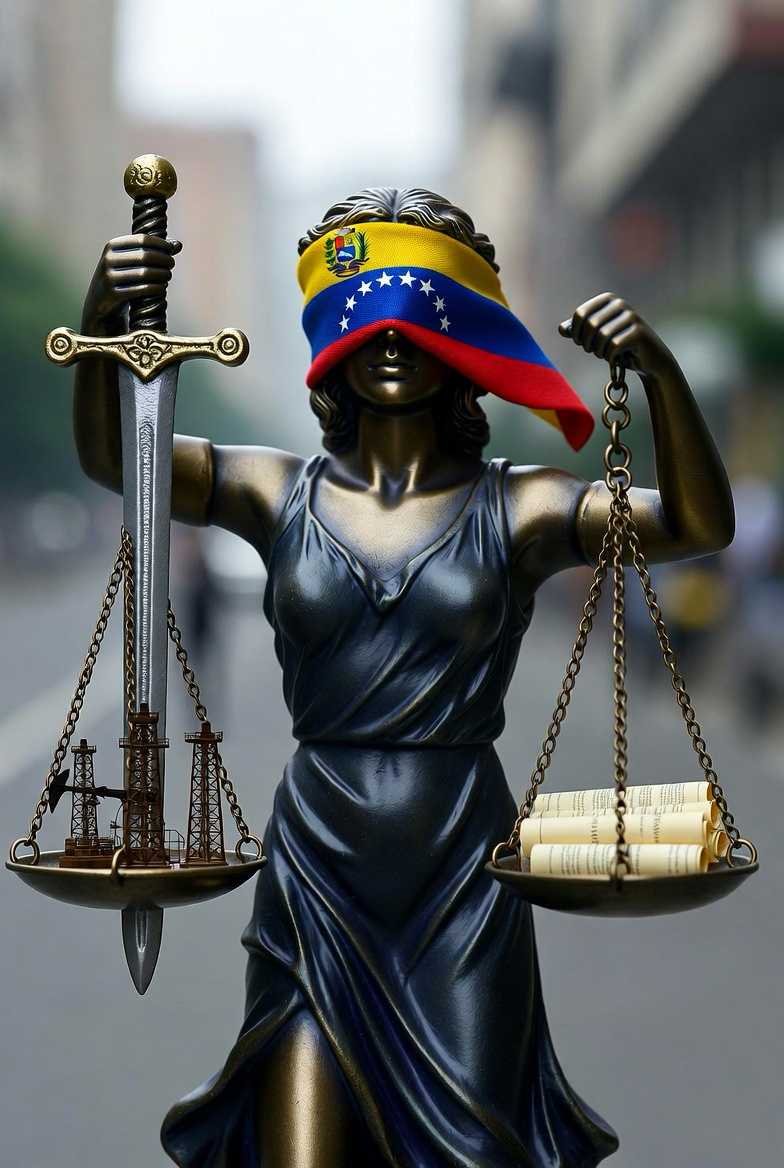
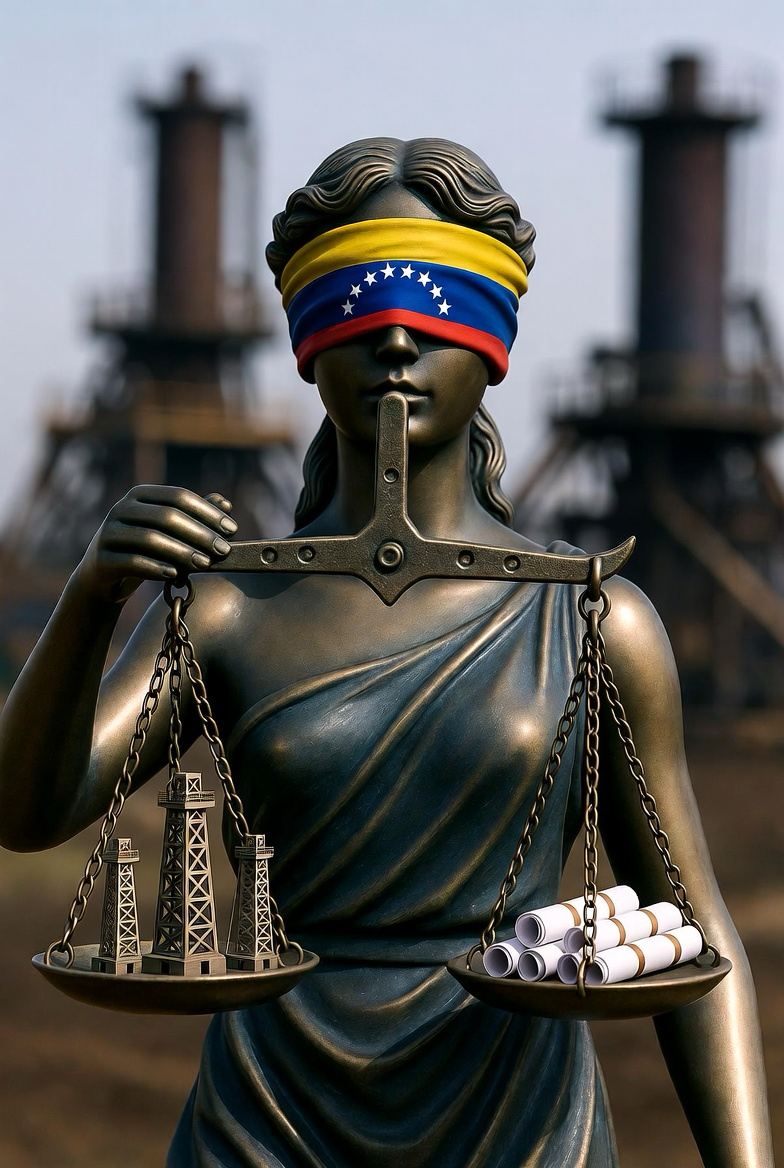
Opportunities of this magnitude are rare. Ignoring them for ideological reasons would be a strategic error. Venezuela does not need utopian debates—it needs capital, development, and time.





Replica a Venezuela: inversión antes que utopía:por qué esperar la “democracia perfecta” es el mayor error estratégico para el capital energético global – Energizando Ideas Cancelar la respuesta